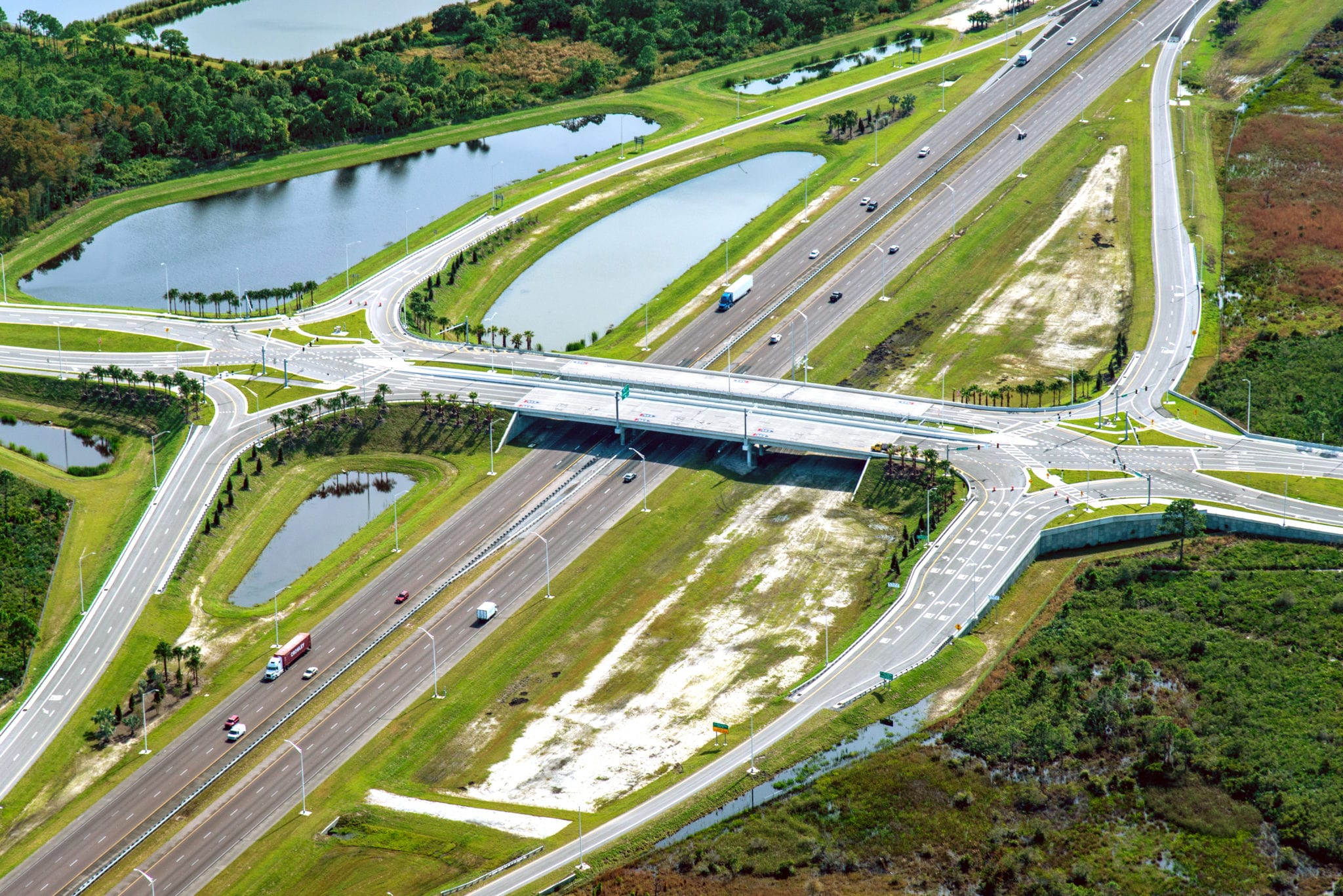
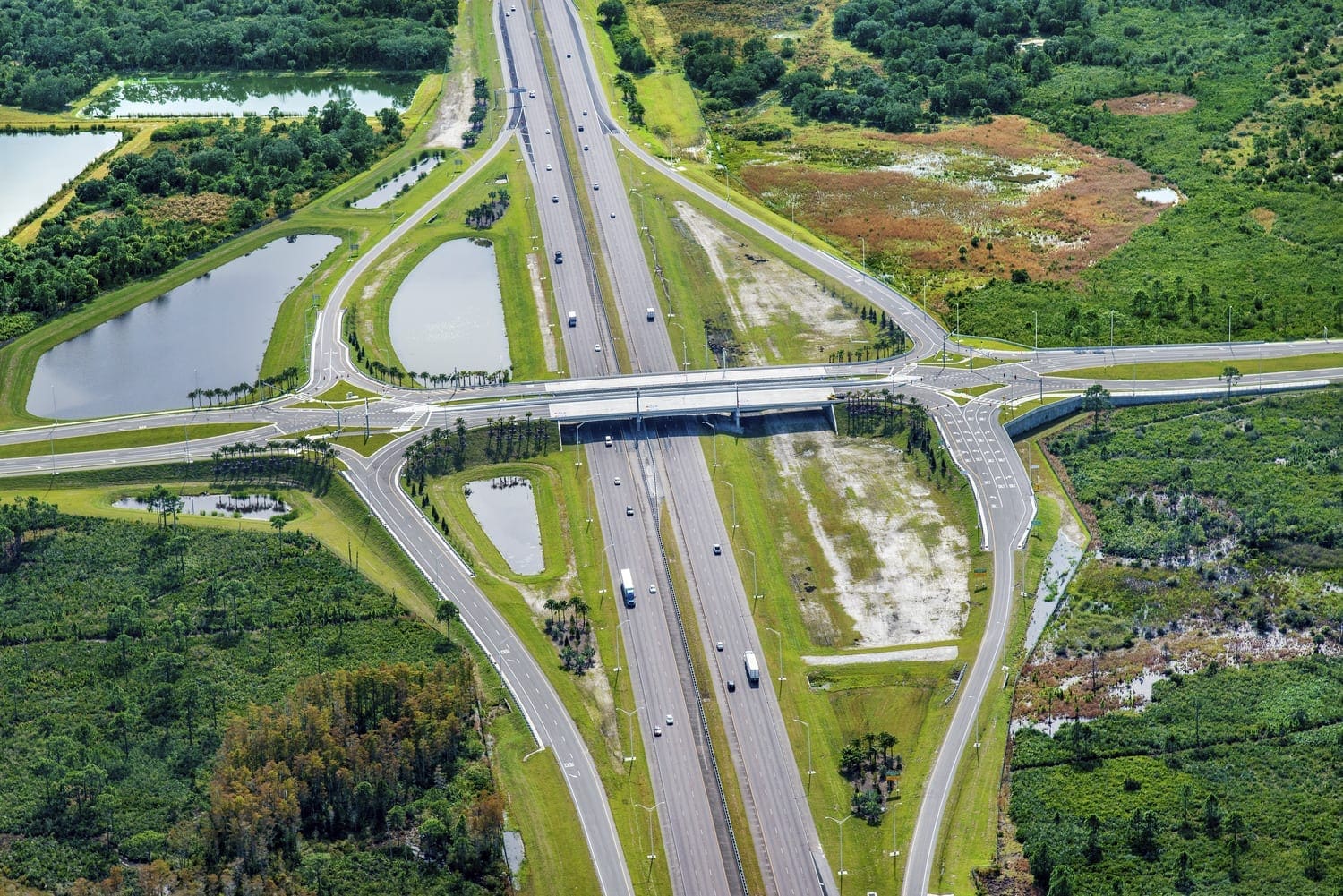
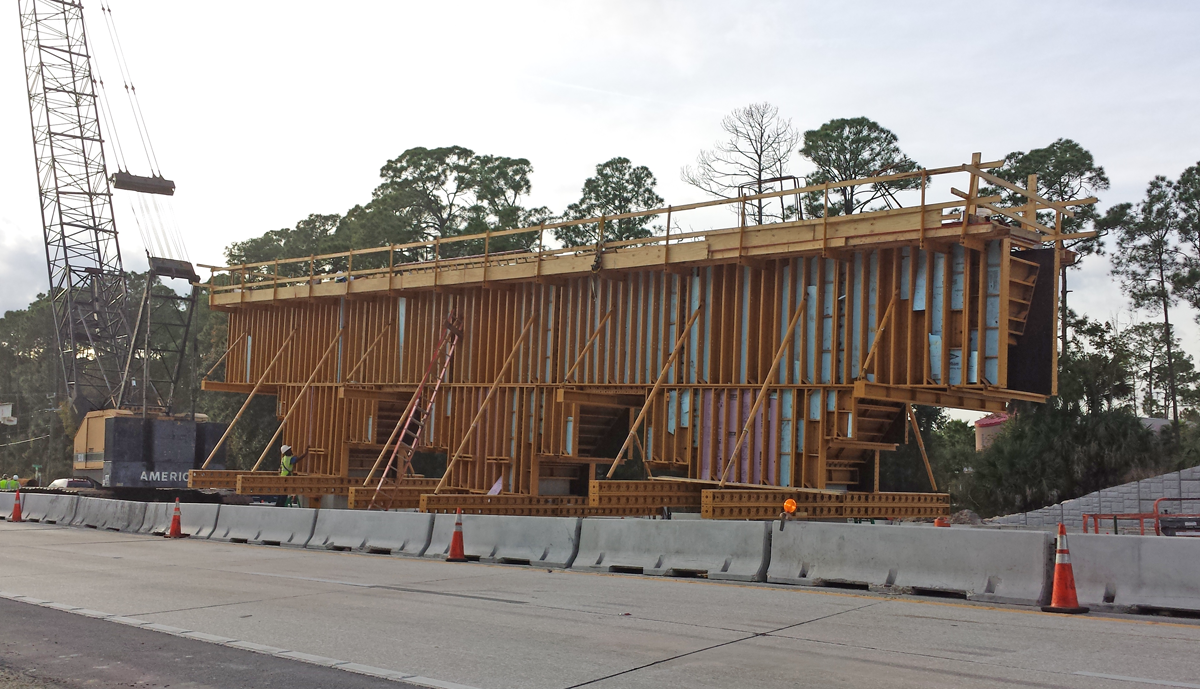
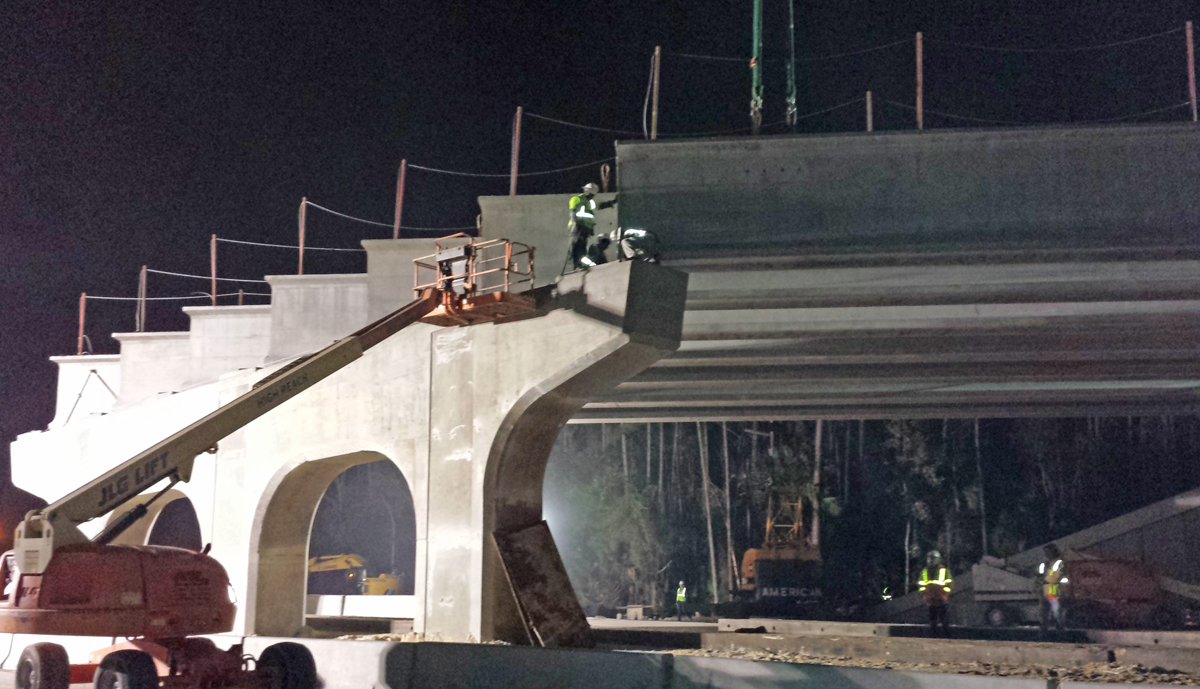
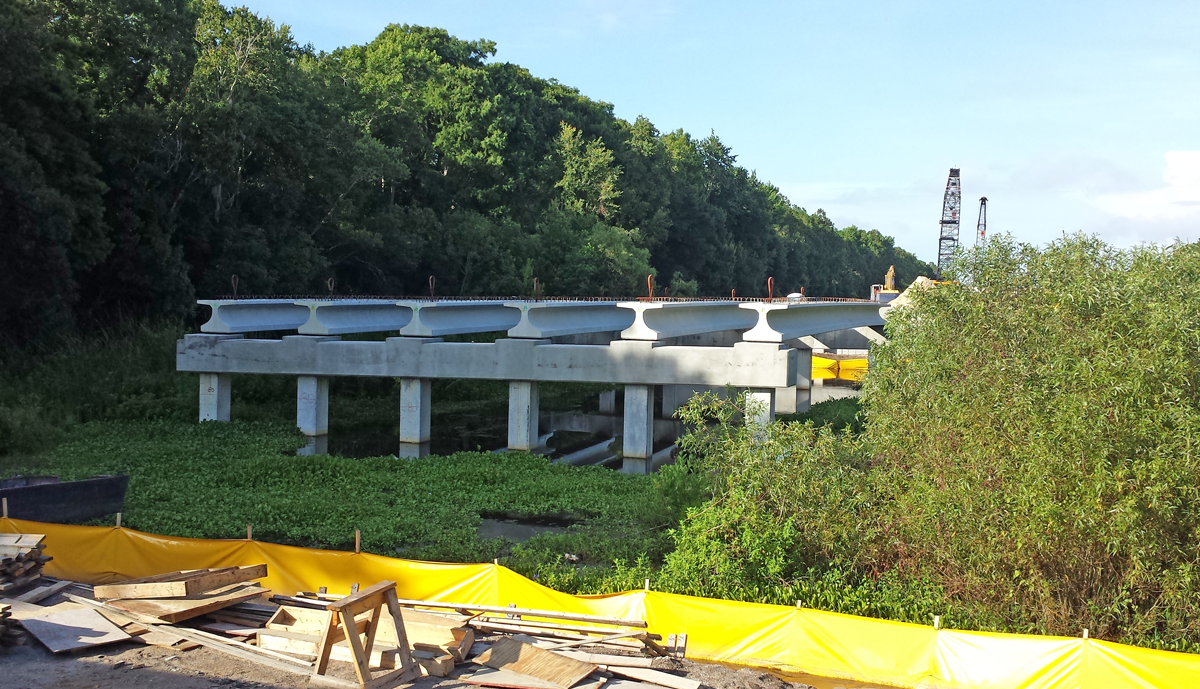
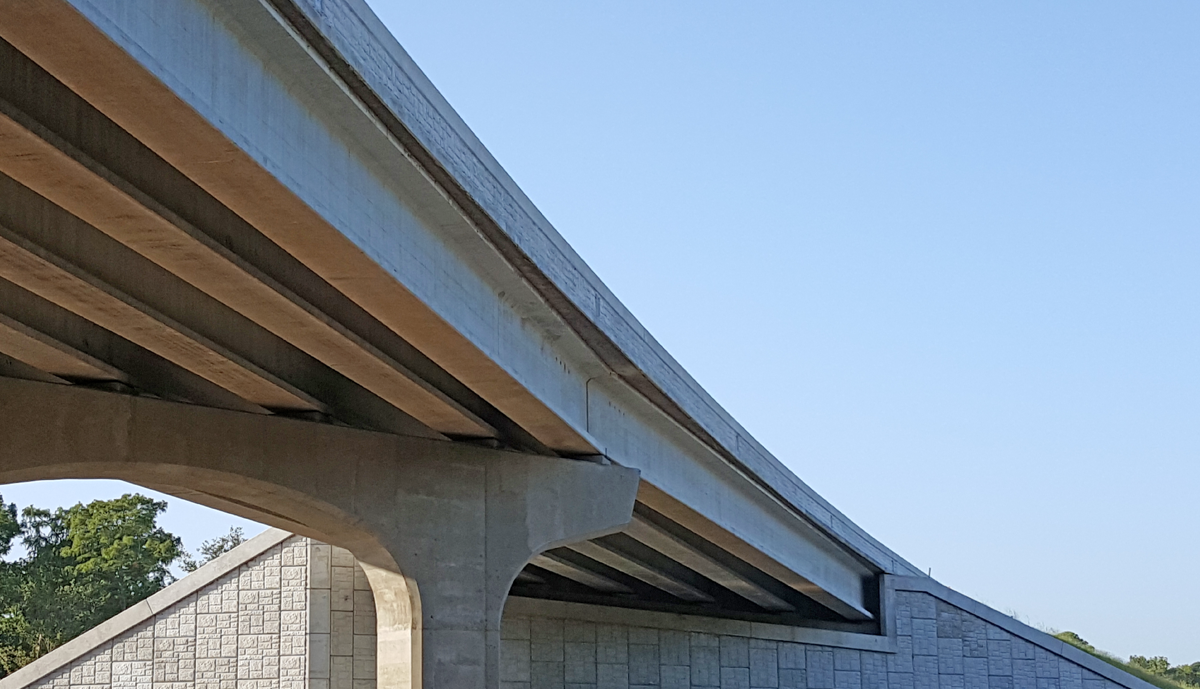
This design-build project consisted of (2) three-span, 330’ long bridges over I-95 near Palm Bay, Florida. This project was one of many projects in Florida to feature a diverging diamond interchange (DDI).
Leware Construction has a comprehensive professional, construction, and administrative team combined with a substantial fleet of liftcranes, pile hammers, barges, tugboats, demolition, and concrete equipment. We can provide turnkey bridge services while meeting the demands of our clients.
Leware Construction Company has been in business since 1970. Since then, our project portfolio has expanded to include a multitude of bridge projects all over Florida. Our experience encompasses not only the construction of bridges, but the replacement, repair and design of them as well. We have built all types of bridges for vehicle and pedestrian traffic, in all kinds of terrain and locations.
61326 Acf 3 Ea 6 B 7 Fa 7115 A 9 D 9 20131205 160429
61326 Ae 8 E 16 C 924 D 43802928 20140105 013810
61326 Aff 32 Cb 49526403 Ea 05 20140701 183224
613269 Ce 99 A 7 Bc 377 F 9 C 7 Ff 4 20150805 081911
Location
Volusia County, Florida
Client
FDOT
Completed
2015
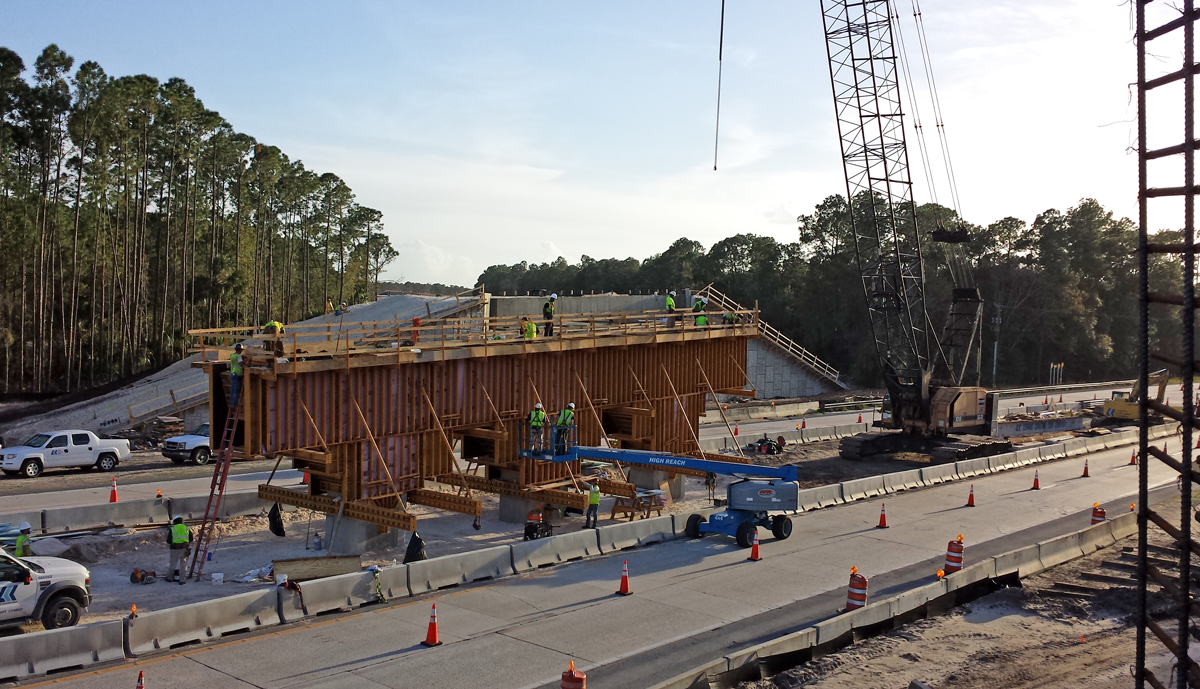
This project includes the complete reconstruction of I-4 between Deland and Daytona. Our subcontracted work includes construction of two ramp bridges over I-4 and US 92, multiple animal crossings, and the removal and replacement of the existing low level bridges over the Tomoka River. Early completion of the Ramp B bridge over US 92 was vital to the project to relieve congestion during Daytona International Speedway events. To add another level of aesthetics, the new Ramp A bridge over I-4 was the first slipformed, stamped barrier wall constructed in Florida.
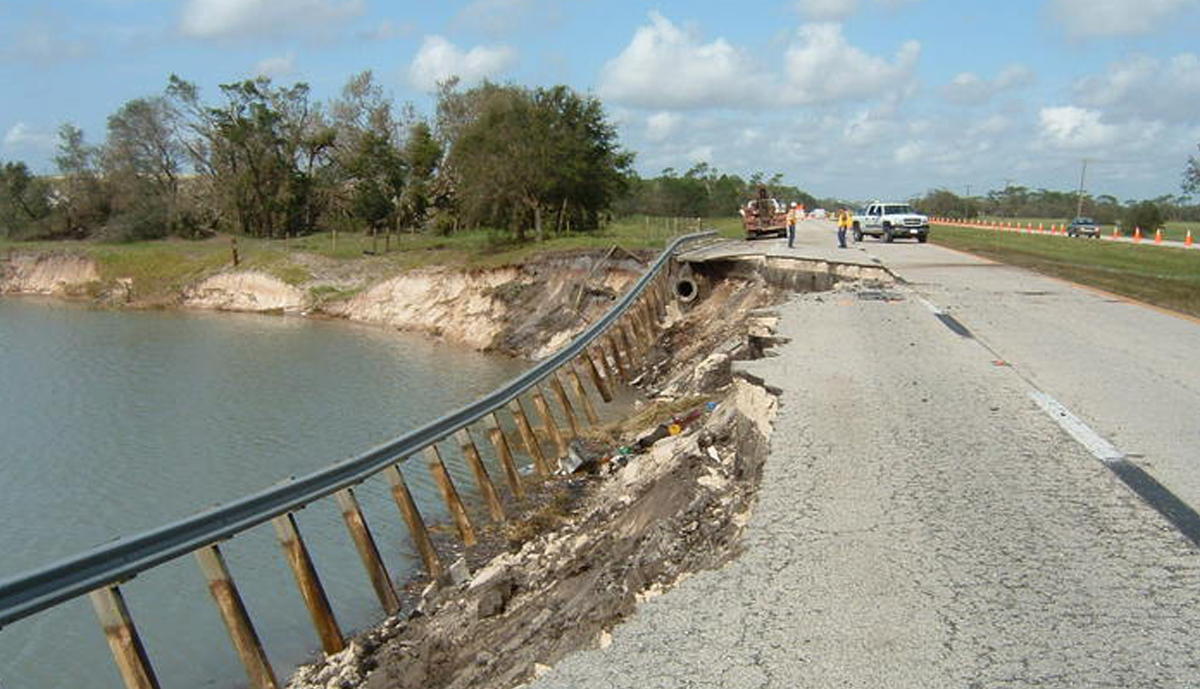
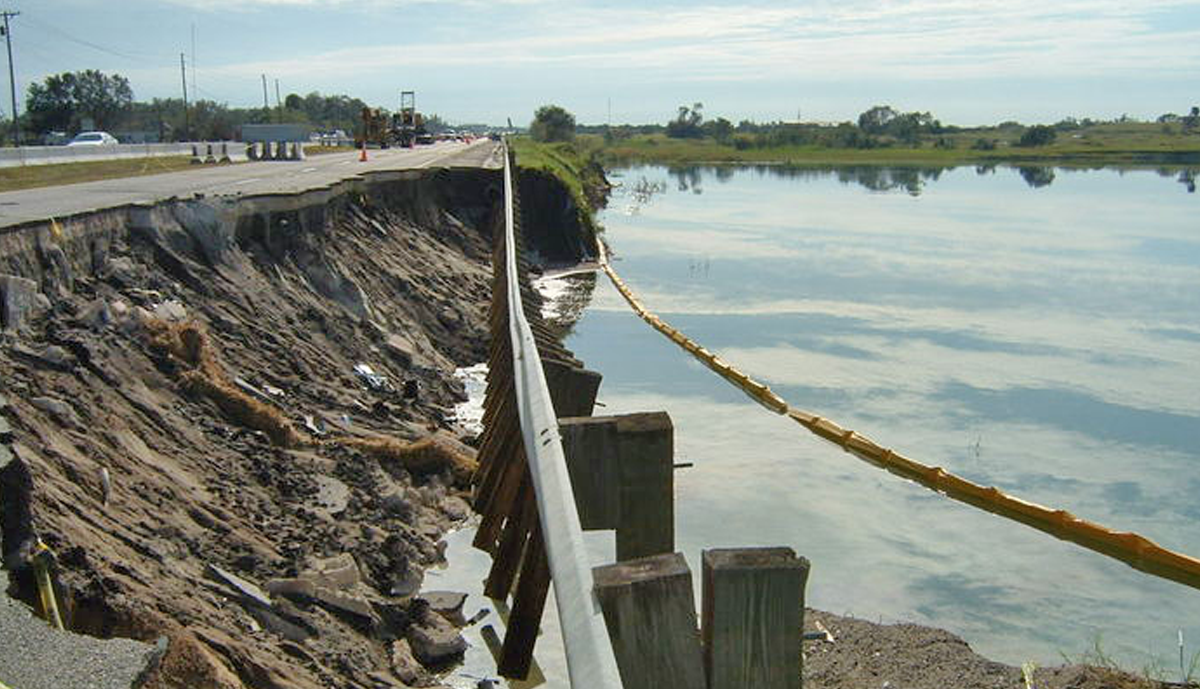
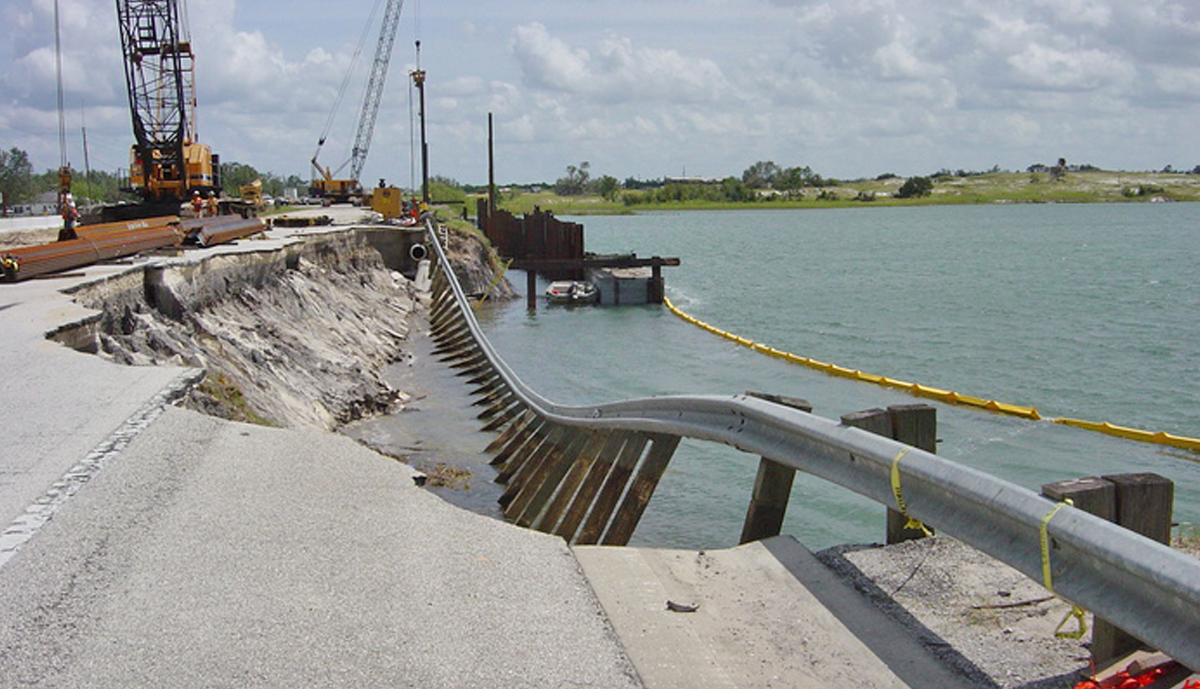
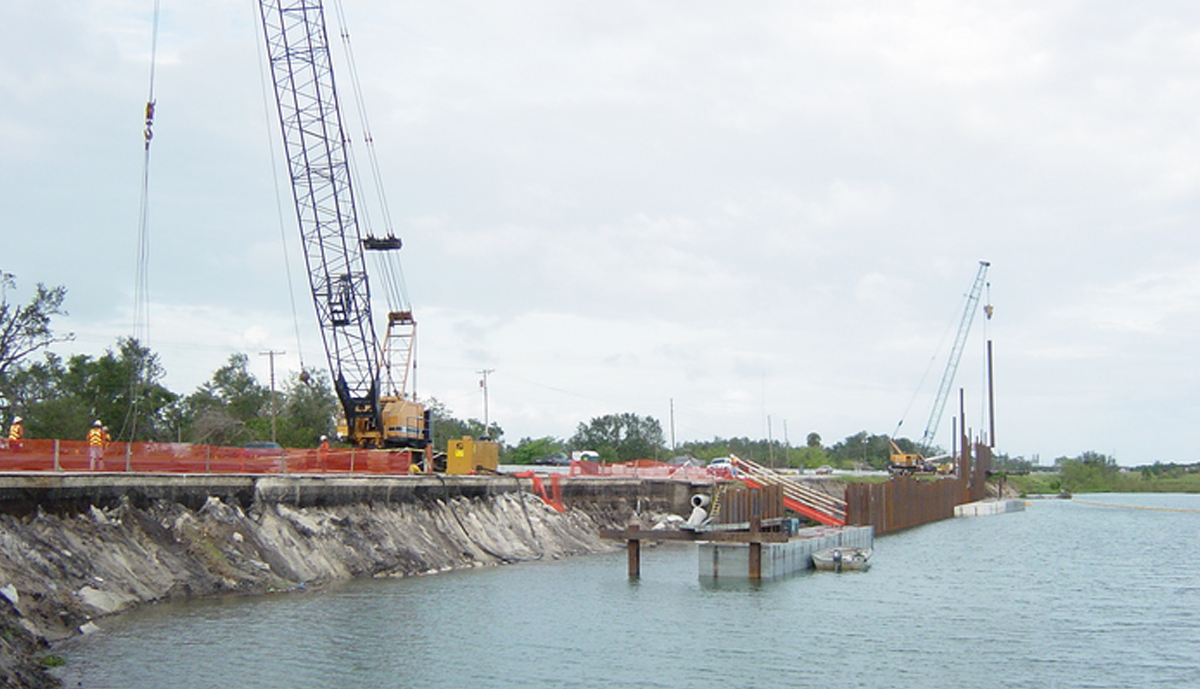
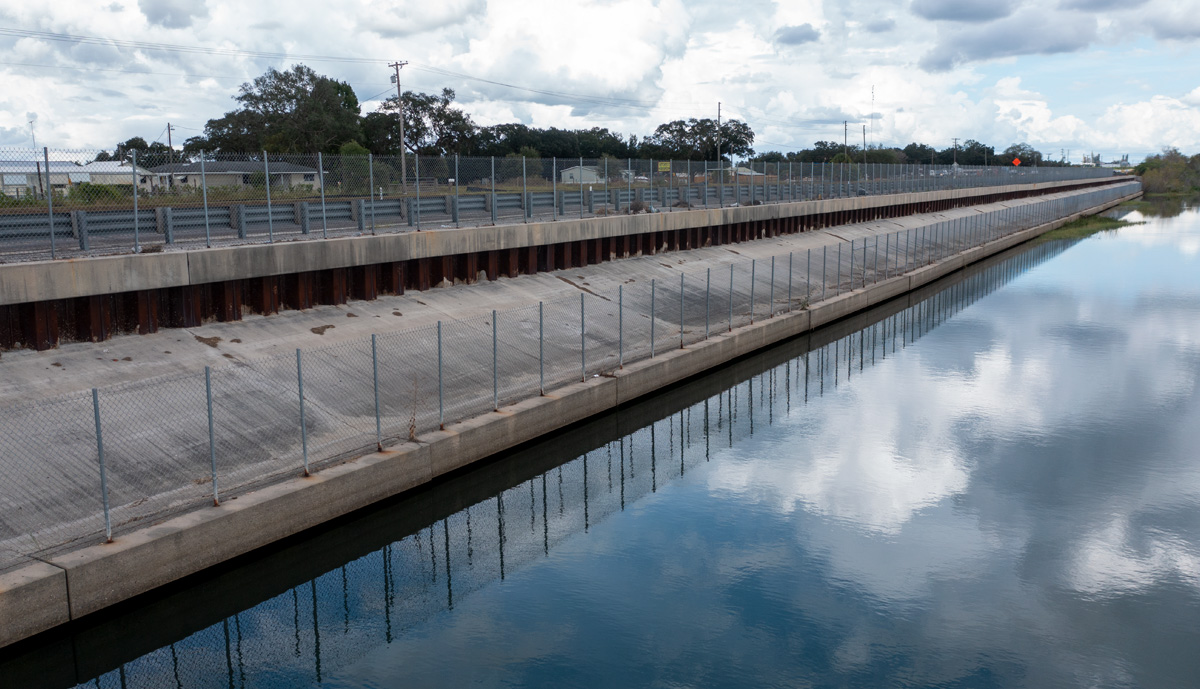
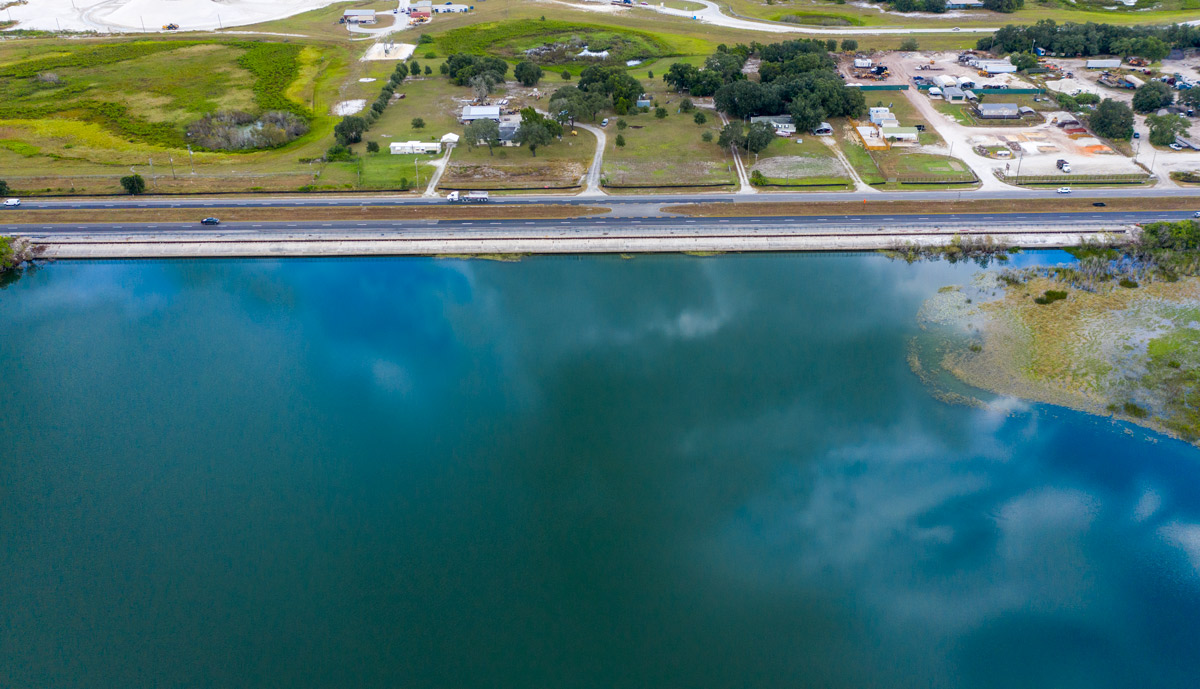
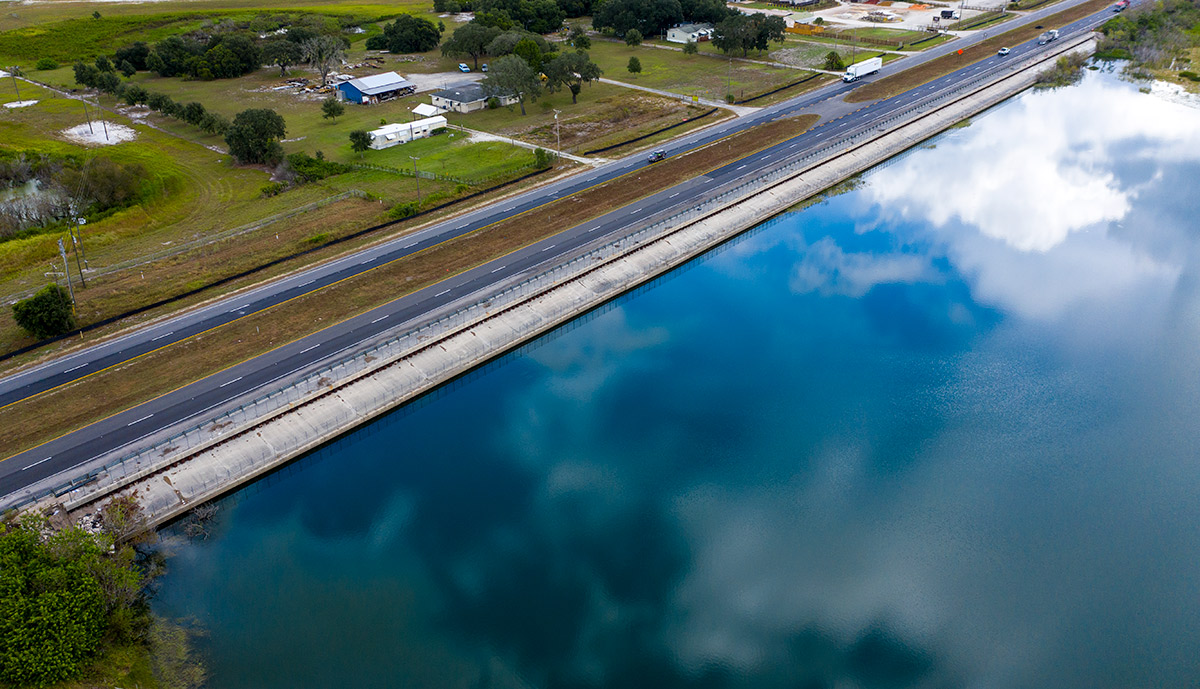
During Hurricane Charley in 2005, SR 60 sustained significant damage to the eastbound lanes due to erosion of the shoulder and undermining of the pavement along a stretch of this main roadway east of Lake Wales, Florida. The repair entailed driving two permanent rows of steel sheet piling, separated by 20’ buffer, for a distance of 1,220’ where the shoulder had been eroded. The void between the rows of sheeting was filled with flowable fill and capped with concrete, creating a new stable shoulder which enabled the reconstruction of the damaged highway.